The Downtown Directory
Places To Go
One downtown destination from every city in our directory — plus a stop in Tulsa to remember Black Wall Street.
Photo: Fabien Bazanegue / Unsplash New York
Grand Central Terminal
Beaux-Arts landmark opened in 1913. Stand under the celestial-mural ceiling, then walk the marble ramps that move 750,000 commuters a day.
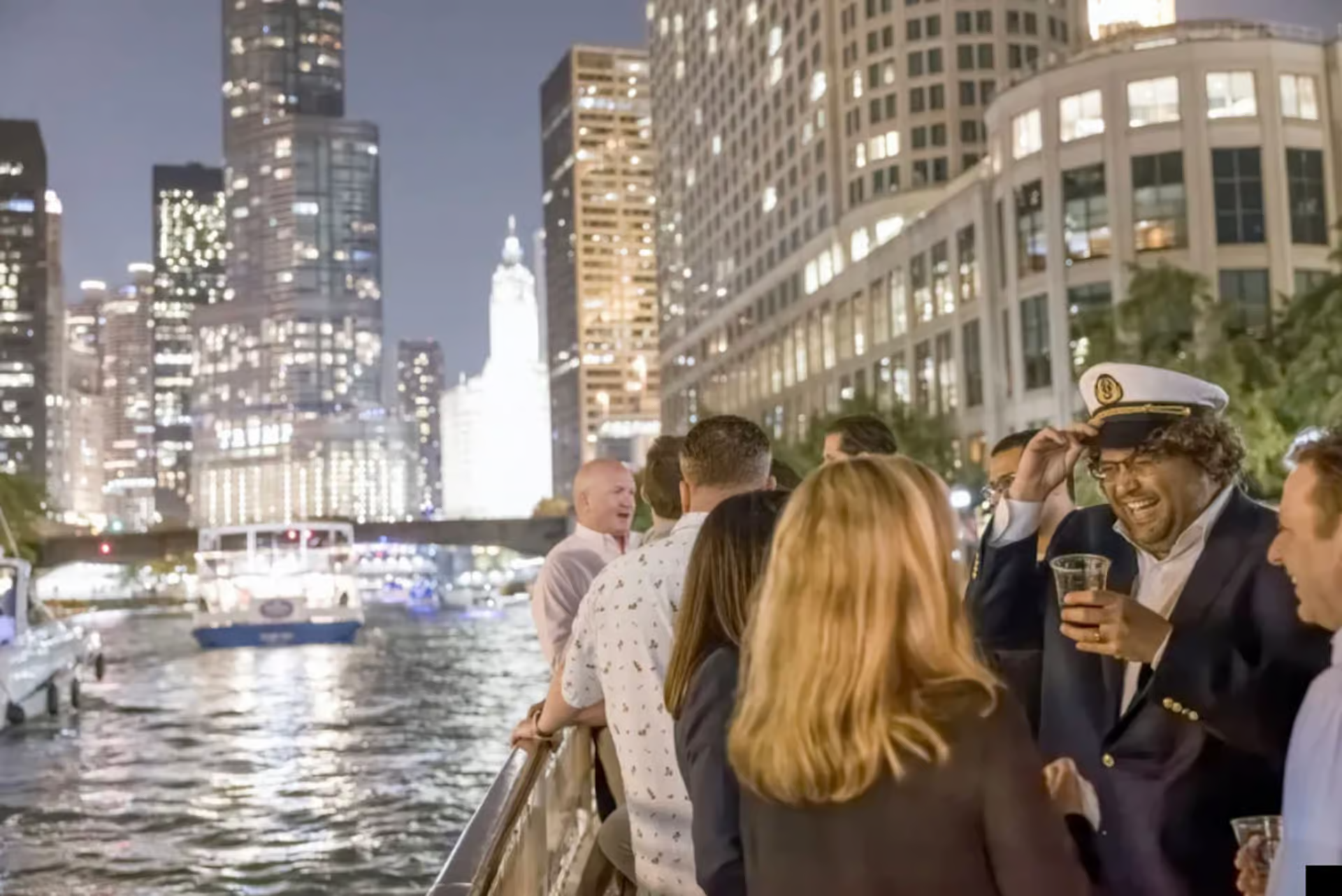
Photo: Chicago Riverwalk evening cruise Chicago
The Chicago Riverwalk
A 1.25-mile pedestrian promenade along the main branch of the Chicago River — best seen on an architecture boat tour past the city's modernist skyline.
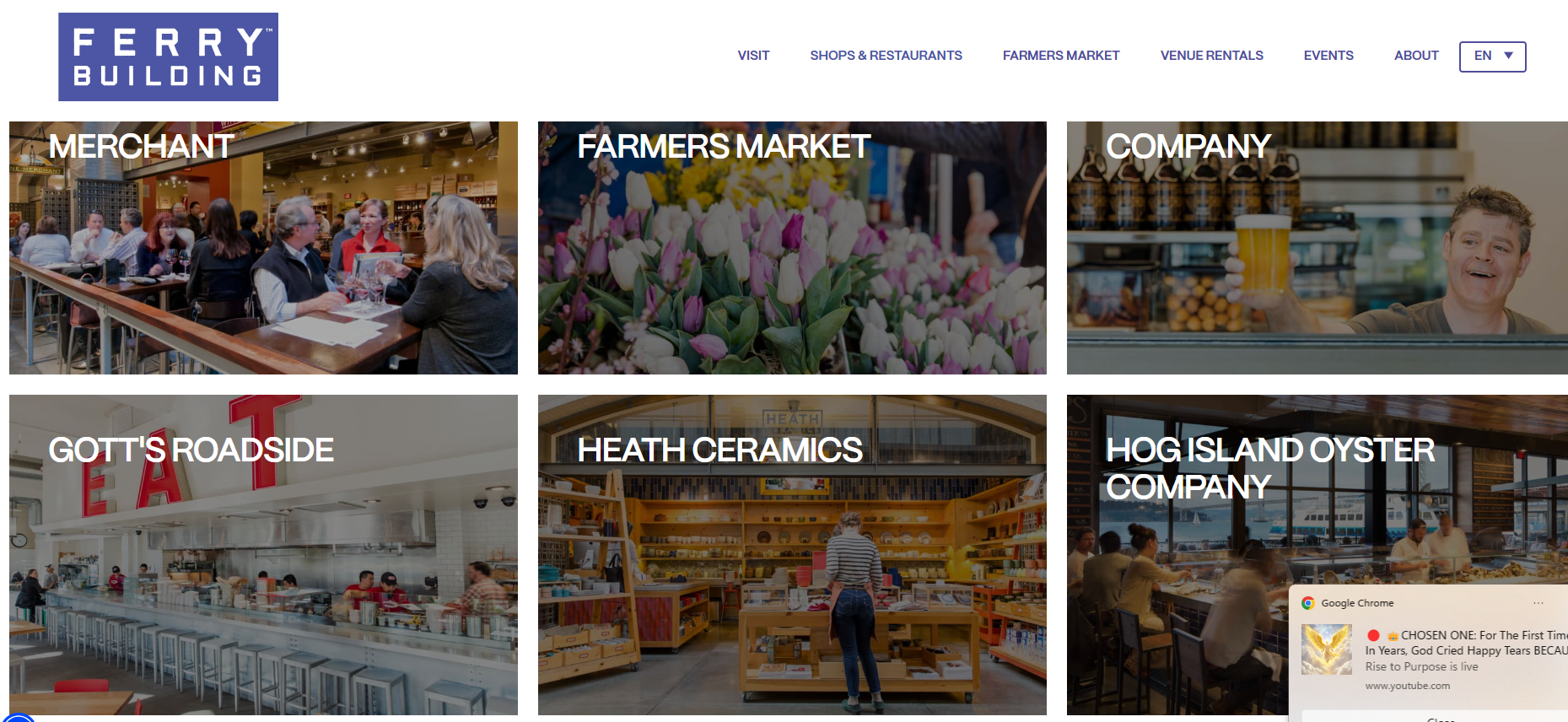
Photo: Ferry Building Marketplace San Francisco
Ferry Building Marketplace
1898 clock-tower terminal restored as a farmers' market and food hall on the Embarcadero, with bay views and the city's best sourdough.
Photo: Osman Rana / Unsplash Boston
The Freedom Trail
A 2.5-mile red-brick path through 16 Revolutionary-era sites, from Boston Common to the Bunker Hill Monument.
Photo: Trace Hudson / Unsplash Houston
Discovery Green
12-acre downtown park opened in 2008 — model boats on Kinder Lake, public art, and free concerts year-round.
Photo: Chris Henry / Unsplash Philadelphia
Independence Hall
Where the Declaration of Independence and Constitution were debated and signed. The Liberty Bell sits across the street.
Photo: Oakie Originals / Unsplash Seattle
Pike Place Market
Operating since 1907, one of the oldest continuously running public markets in the U.S. — flying fish, the original Starbucks, and Elliott Bay views.
Photo: William Recinos / Unsplash New Orleans
The French Quarter
The city's oldest neighborhood, founded in 1718. Wrought-iron balconies, Jackson Square, beignets at Café du Monde, and live brass on Frenchmen Street.
Photo: Andrew Coop / Unsplash Denver
Larimer Square
Denver's first block, established in 1858. Restored Victorian storefronts now house independent restaurants and shops under canopies of string lights.
Photo: Joey Kyber / Unsplash Atlanta
Centennial Olympic Park
Built for the 1996 Summer Games, the 21-acre park anchors downtown alongside the Georgia Aquarium and the World of Coca-Cola.
Photo: Doug Zuba / Unsplash Detroit
The Guardian Building
1929 Art Deco skyscraper nicknamed the 'Cathedral of Finance' — Pewabic and Rookwood tile, Aztec-inspired motifs, and a soaring three-story lobby.
Photo: Yassine Khalfalli / Unsplash Pittsburgh
Point State Park
36 acres at the confluence of the Allegheny and Monongahela rivers, where they form the Ohio. The fountain shoots 150 feet into the air all summer.

Photo: Greenwood Cultural Center / Wikimedia Commons Tulsa
Black Wall Street (Greenwood District)
In the early 1900s, Tulsa's Greenwood District was the wealthiest Black community in America — more than 35 square blocks of Black-owned banks, hotels, theaters, grocers, and newspapers, earning the name 'Black Wall Street' from Booker T. Washington. On May 31–June 1, 1921, a white mob destroyed the neighborhood in one of the worst incidents of racial violence in U.S. history: as many as 300 residents killed, 1,200 homes burned, and 10,000 left homeless. Today the Greenwood Rising history center, the Greenwood Cultural Center, and the John Hope Franklin Reconciliation Park preserve the story and honor the community that rebuilt.


